
Bone Loss and Osteoporisis: What NASA Discovered to Decrease It? Not Supplements
The Best Exercise to Counter Bone Loss—Plus Easier Options That Still Help
from Brad Stanfield
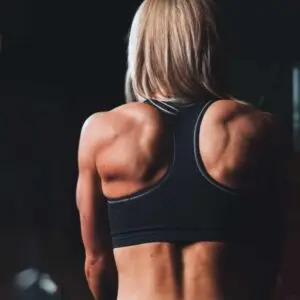 Astronauts can get 1–2% bone loss for every month they spend in space—roughly what many postmenopausal women lose over an entire year.
NASA tried treadmill workouts, cycling, calcium and vitamin D. But bone loss continued. What finally made a substantial difference was much heavier resistance exercise.
(For my video on the topic, you can see the video here.)
The lesson is not that everyone needs to train like an astronaut. It is that bone responds to force. And with more and more people on GLP-1 drugs, this advice may be more iimportant than ever for older people.
Bone is living tissue, constantly being dismantled and rebuilt. Calcium and vitamin D provide essential building materials, but mechanical loading supplies the signal to use them. This helps explain why routine supplements have generally failed to prevent fractures in healthy, community-dwelling adults without a deficiency or osteoporosis.
Among non-pharmaceutical interventions, progressive resistance training—especially relatively heavy training—is the gold standard.
In the LIFTMOR trial, postmenopausal women with low bone mass performed supervised dead lifts, squats, overhead presses and impact exercises twice weekly. After eight months, their lumbar-spine density increased by 2.9%. Women assigned to a low-intensity home program lost 1.2%.
That does not mean gentle exercise caused bone loss. More likely, it simply wasn’t powerful enough to overcome the bone loss already occurring with age. Mild exercise still improves mobility, muscle strength and balance—all of which can reduce falls and fractures.
And heavy lifting isn’t the only way to load bone.
Weight-bearing activities such as dancing, hiking, stair climbing, tennis and pickle ball expose the skeleton to forces it doesn’t experience during swimming or cycling. Brisk or uphill walking provides more loading than a leisurely stroll. Resistance bands, weight machines, lunges and repeated chair stands can strengthen muscles without requiring intimidating barbells.
Impact may also help. In small studies, 50 daily hops produced modest improvements in femoral-neck density. The benefit was localized, however, and hopping may be unsafe for someone with osteoporosis, poor balance or previous fractures.
The Bone Loss takeaways
- Heavy progressive resistance training has the strongest exercise evidence.
- Lighter exercise is still valuable, particularly for strength and fall prevention.
- Dancing, stairs, hiking and racquet sports provide bone-loading alternatives. But even 50 hops a day can help with bone loss in the femoral head.
- Resistance can begin with bands, machines or body weight and progress gradually.
- Calcium and vitamin D remain essential, but supplements cannot replace loading.
- Anyone with osteoporosis or previous fractures should get individualized guidance.
You do not have to become a power lifter. But to protect your skeleton, give your bones something to work against.
Sources: NASA, LIFTMOR trial, Bone Health & Osteoporosis Foundation